
Appia Rare Earths & Uranium Corp., a publicly traded company, aims to strategically position and capitalize on the increasing demand for critical minerals, such as rare earth elements (REE) and uranium. These resources are essential for meeting the high demand for electric vehicles, wind turbines, and advanced renewable electronics, and driving the transition towards a greener environment. Appia is a critical mineral exploration company committed to advancing multiple rare earths and uranium projects in mining-friendly regions, including Goiás State, Brazil, the Athabasca Basin in Saskatchewan, Canada and Northern Ontario, Canada.
With its strong presence on multiple exchanges, Appia aims to provide a diverse and accessible platform for investors to engage with the company and take part in its journey towards unlocking the potential of critical minerals.
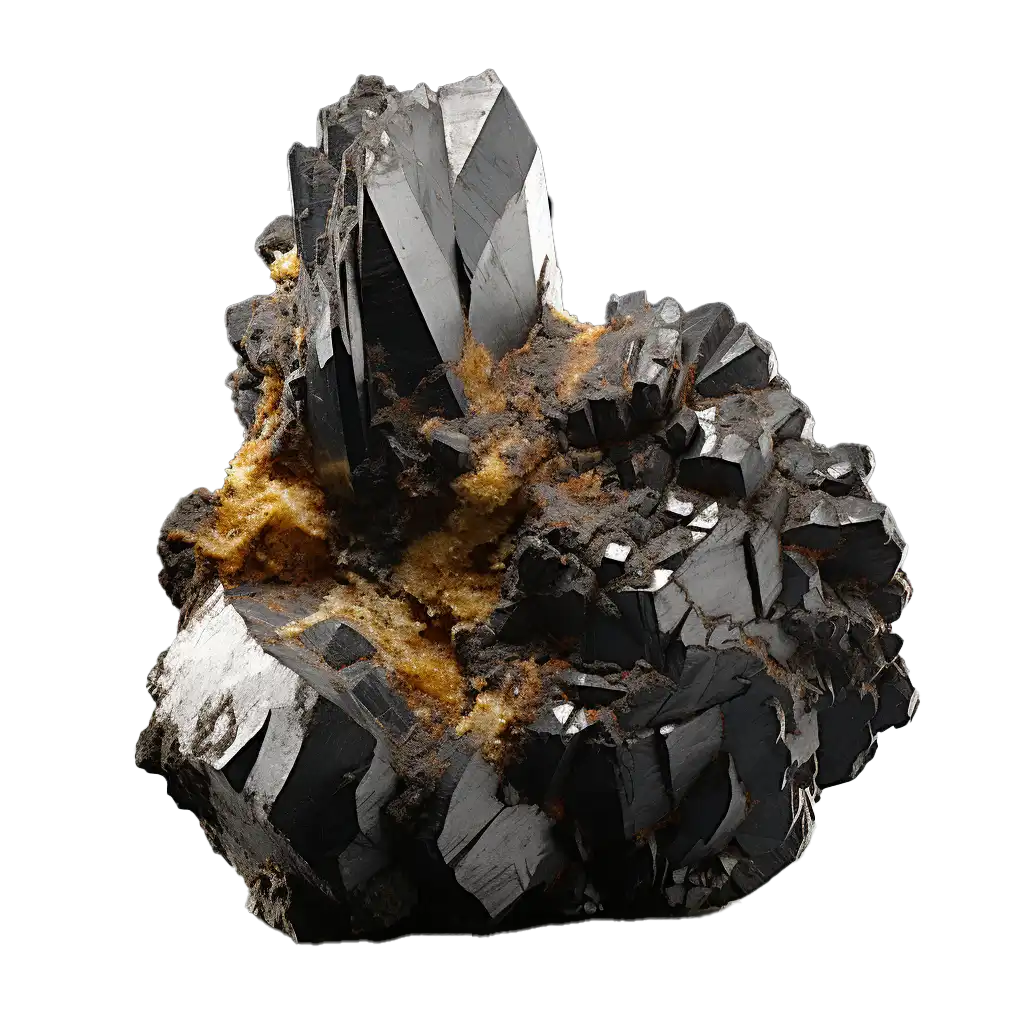
65
Tb
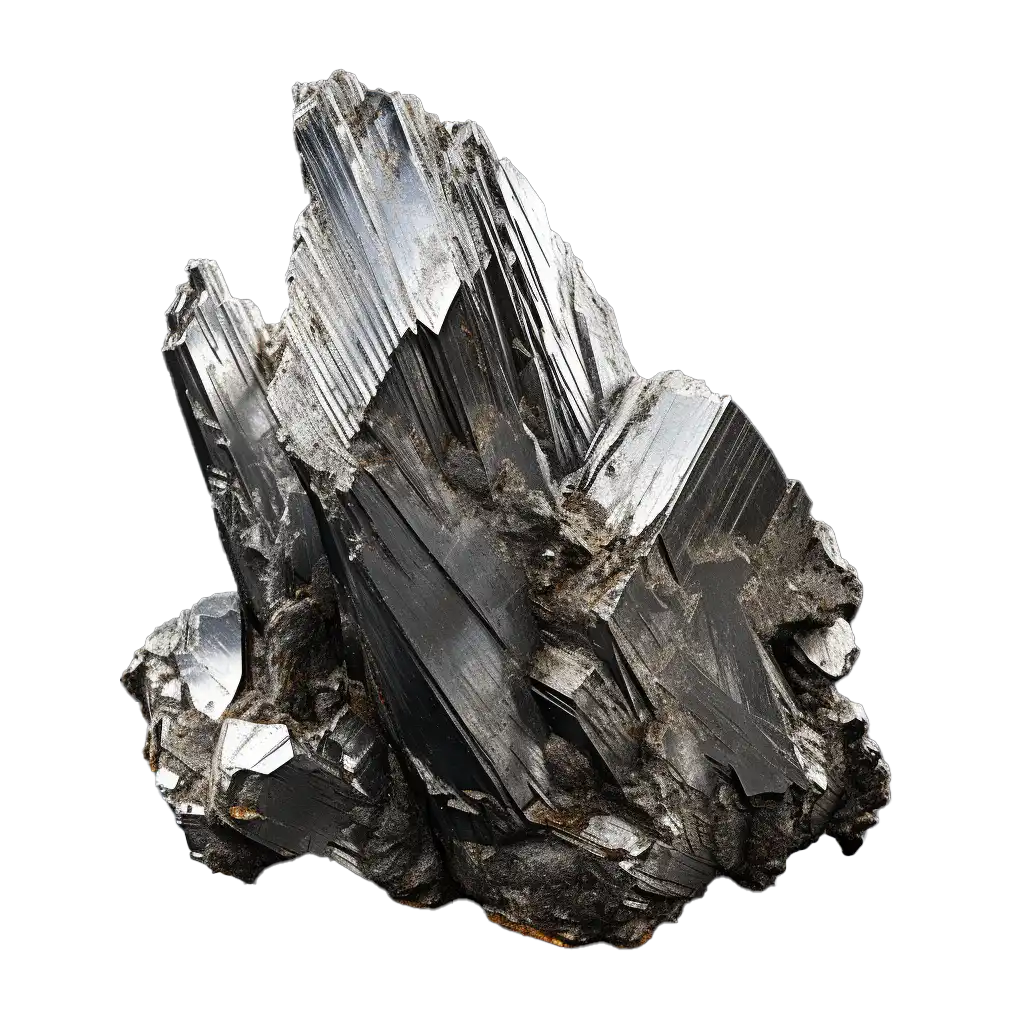
66
Dy
60
Nd
59
Pr
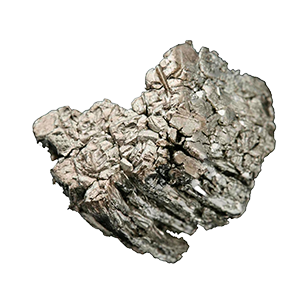
21
Sc
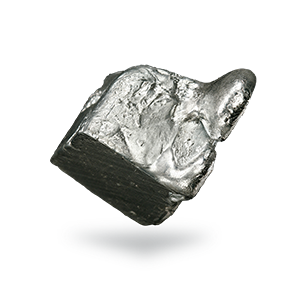
31
Ga
Rare earth elements (REE) are the unsung heroes in our daily lives, essential to modern society. These elements, nestled in various metals and alloys, play pivotal roles across diverse industries.
They are critical in cell phones, televisions, automobiles, wind turbines, aircraft, and more.
Our electronic devices, from computer memory to smartphones, rely on REE for efficient functioning.
REE are vital in defense technologies and equipment.
Uranium exploration, such as Appia’s Elliot Lake project, in Ontario, Canada, could be instrumental in the ongoing development and utilization of crucial uranium resources that ultimately lead to the creation of clean energy sources. Additionally, the Company holds four high-potential early-stage uranium projects in the prolific Athabasca Basin area – Loranger, North Wollaston, Eastside and Otherside.
Uranium exploration companies play a vital role in not only identifying viable sources of uranium but also in the responsible exploration and extraction of these valuable resources. Their expertise and efforts contribute to the advancement of clean energy production. Without the dedication and expertise of uranium exploration companies like Appia, the potential for harnessing the benefits of these resources would be significantly restricted.
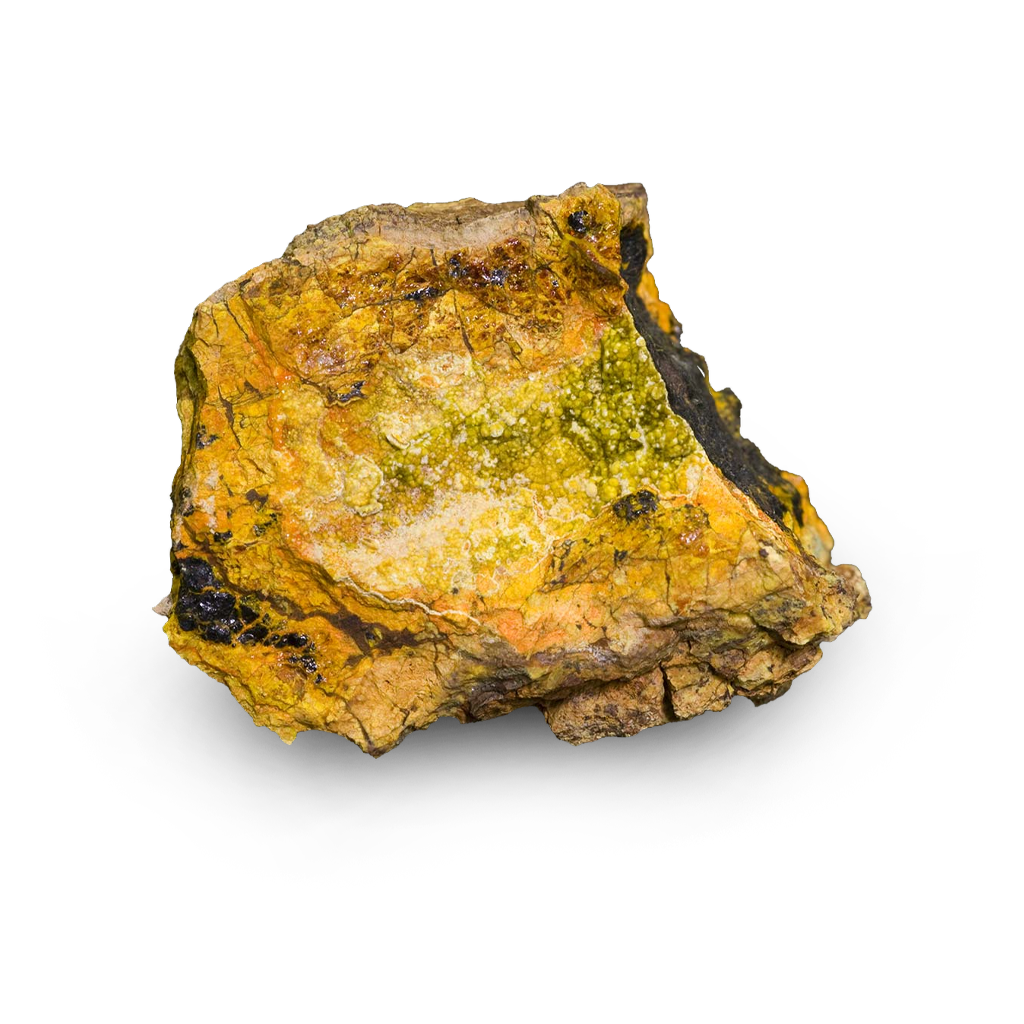
92
U
Uranium, symbolized as U with atomic number 92, plays a pivotal role in today’s world. This versatile element serves as the primary fuel source in nuclear reactors, where it undergoes controlled nuclear fission to produce electricity. This vital process fuels clean and sustainable energy generation, curbing greenhouse gas emissions and meeting the global demand for power.
Moreover, uranium’s significance extends beyond the realm of energy. It finds application in diverse fields, including medicine, where it is harnessed for radiation therapy in cancer treatment. Furthermore, uranium contributes to scientific progress by enabling isotope production for diagnostics and research.
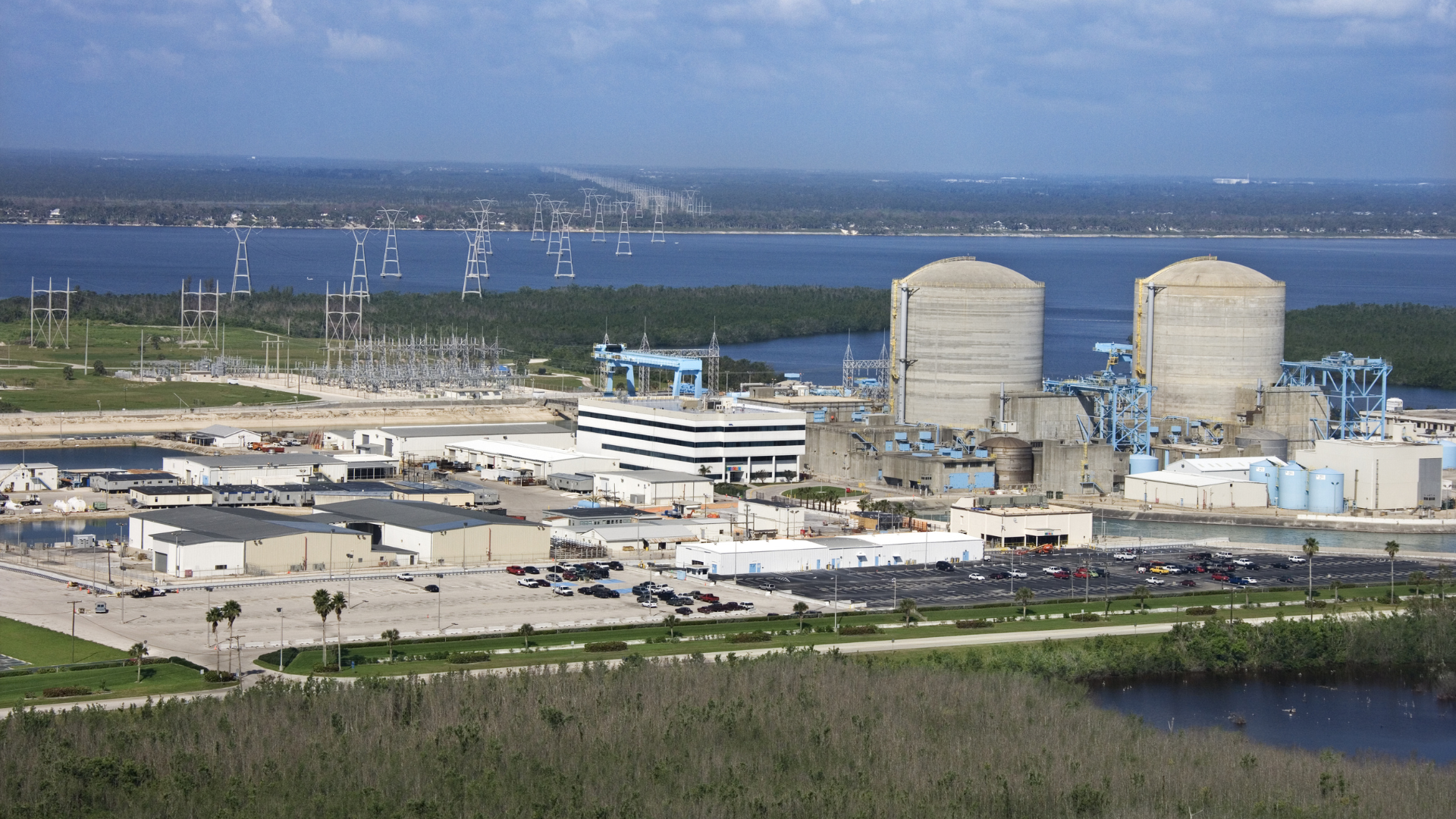
According to the World Nuclear Association, uranium serves as the primary fuel for nuclear reactors and is sourced from various locations globally. The uranium mining process involves extraction, refining, and enrichment before it can be utilized in nuclear reactors. While uranium is present in small amounts in rocks and seawater, the majority is mined in countries like Kazakhstan, Canada, Australia, Namibia, Niger, and Russia.
Traditional mining methods, such as open-pit or underground operations, historically dominated uranium extraction. However, more than half of global uranium mines now employ in-situ leaching, minimizing ground disturbance. After mining, the uranium undergoes refining, where sulfuric acid or an alkaline solution is used to dissolve the uranium, leaving other materials undissolved. The resulting uranium solution is separated, filtered, and dried to produce ‘yellowcake,’ a crucial intermediate in the fuel-making process.
Enrichment is a vital step, with most reactors requiring an increased concentration of uranium-235. The enrichment process involves converting uranium oxide to uranium hexafluoride, a gaseous form, followed by separation in centrifuges to isolate uranium-235. The enriched uranium is transported to a fabrication plant, where it is converted to uranium dioxide powder, pressed into small fuel pellets, and assembled into fuel rods for nuclear reactors. These fuel assemblies remain in the reactor core for several years, providing a steady source of energy.
Notably, a relatively small amount of uranium, about 27 tonnes per year, can produce the equivalent energy output of a 1000 MWe pressurized water reactor. This contrasts significantly with coal power stations, which require over two and a half million tonnes of coal for similar electricity production.
With the world’s mounting concerns about climate change, energy security, and affordability, the global demand for uranium is on the rise. According to Statista.com, several countries now view nuclear energy as a strategic path to energy independence, reflecting recent policy shifts. Recent geopolitical events and supply reductions from Russia have added to this urgency, projecting a uranium deficit and a subsequent price increase. Over the next decade, the uranium deficit is anticipated to average 42 million lbs./year. To ensure a reliable supply, Western utilities are actively seeking low-risk jurisdictions like Canada and the United States. Our Elliot Lake uranium project in Ontario, Canada, holds a substantial mineral reserve that could potentially make a positive impact on the global uranium supply deficit.
Heavy rare earth elements may not be as ubiquitous as other minerals, but they are found in numerous technologies we depend upon today. They possess characteristics which enable them to be applied in different ways, such as for the creation of strong magnets for high-tech electronics and clean energy. Knowing which minerals can be found in a company’s areas of interest, and where they can be developed is important if the company is considering pursuing a new source of critical minerals.
The rare earths are a set of 17 elements that possess a variety of special properties. They are generally classified into light group and heavy group rare earths. Heavy Rare Earth Elements (HREE) are elements like dysprosium and terbium, which are particularly useful for some high-performance applications.
These elements are used in permanent magnets and hence they attract attention. Dysprosium and terbium are useful for making magnets operate more effectively in challenging environments, and are critical to the technologies where size, strength and reliability are significant factors.
Heavy Rare Earth Metals have applications in a number of modern industries. For example, electric motors, wind turbines, electronics and other advanced equipment utilize high-performance permanent magnets.
As these technologies gain traction, reliable supplies of the minerals needed to make these technologies are also becoming more significant. This has led to increased interest in rare earth exploration, especially in areas that have favorable geology.
Appia Rare Earths & Uranium Corp. is a mineral exploration company focused on rare earth and uranium opportunities in Canada and Brazil. Its work involves geological mapping, prospecting, geophysics, geochemistry and drilling to identify and evaluate mineralized targets.
In Canada, Appia’s rare earth exploration includes the Alces Lake project in Saskatchewan. The company has also been exploring opportunities in Brazil, where its projects form part of its broader rare earth portfolio.
It is important to distinguish exploration from mining. Appia’s properties are at the exploration stage, meaning the company is investigating geological potential rather than operating a producing rare earth mine. Exploration results and targets do not, by themselves, establish a mineral reserve or guarantee future production.
Interest in Heavy Rare Earth Elements is likely to remain closely connected to the development of advanced technologies and the search for more secure critical mineral supply chains. But finding a prospective mineral occurrence is only the beginning. Exploration programs must be followed by further drilling, technical studies, environmental assessment, permitting and other work before mine development can even be considered.
For Appia, the focus remains on exploring and evaluating its rare earth properties. As its programs progress, the results can help build a clearer picture of the mineral potential within these projects and their possible place in the future rare earth industry.