
Rare earths and Uranium Exploration Company
Goiås State, Brazil
Saskatchewan, Canada
Ontario, Canada
Why should you consider Appia? Learn more here.
Stay up to date with all the new and exciting news we have to share about our projects

Alces Lake is a 100%-owned, high-grade rare earth project in northern Saskatchewan and one of the core assets in Appia’s portfolio. Located near Lake Athabasca, the project has delivered some of the Company’s strongest exploration results to date, including high-grade monazite mineralization at surface and near surface, with reported grades up to 50% TREO.
Over more than a decade of exploration, Appia has expanded Alces Lake into a 38,522-hectare land package and advanced it through extensive prospecting, channel sampling, airborne geophysics, and multiple drill campaigns. Recent airborne gravity and magnetic surveys, followed by 3D inversion work and 2025 ground gravity surveying, have identified a new set of priority drill targets beyond the known zones.
With a planned 2026 drill program targeting newly interpreted structures at depth, Alces Lake remains a key growth asset for Appia and a strong source of long-term exploration upside within the Company’s portfolio.
Alces Lake is a high-grade REE asset with significant exposure to Neodymium and Praseodymium, two of the key elements used in permanent magnet manufacturing and advanced technologies. For Appia, the project represents a strategically important asset with potential relevance to the global critical minerals supply chain.
The Alces Lake REE Property also hosts Thorium, Phosphates, and Gallium. This diverse resource portfolio not only enhances value, it establishes Appia as a potential player in multiple resource sectors.
The Alces Lake REE property is 100% owned by Appia and benefits from ongoing collaboration with local Indigenous communities, granting the company freedom to explore as needed.
At 38,522 hectares, Alces Lake is supported by over 30,000 meters of drilling across 317 holes. Its strategic location near Uranium City, seasonal winter-road access, year-round property access, and access to Saskatchewan’s SRC rare earth processing facility further strengthen its long-term development potential.
Alces Lake hosts some of the highest surface rare earth grades reported globally, with assays reaching up to 50 wt.% TREO. Exploration is centered on monazite, a rare earth phosphate mineral that plays a key role in the project’s mineralization model.
Monazite is dense, paramagnetic, and naturally radioactive due primarily to its thorium content. Like all rare earth-bearing minerals, its concentration (low/medium/high) is tied to the geological environment in which it occurs, making geology-driven targeting an important part of Appia’s strategy to expand high-grade mineralization across the property.
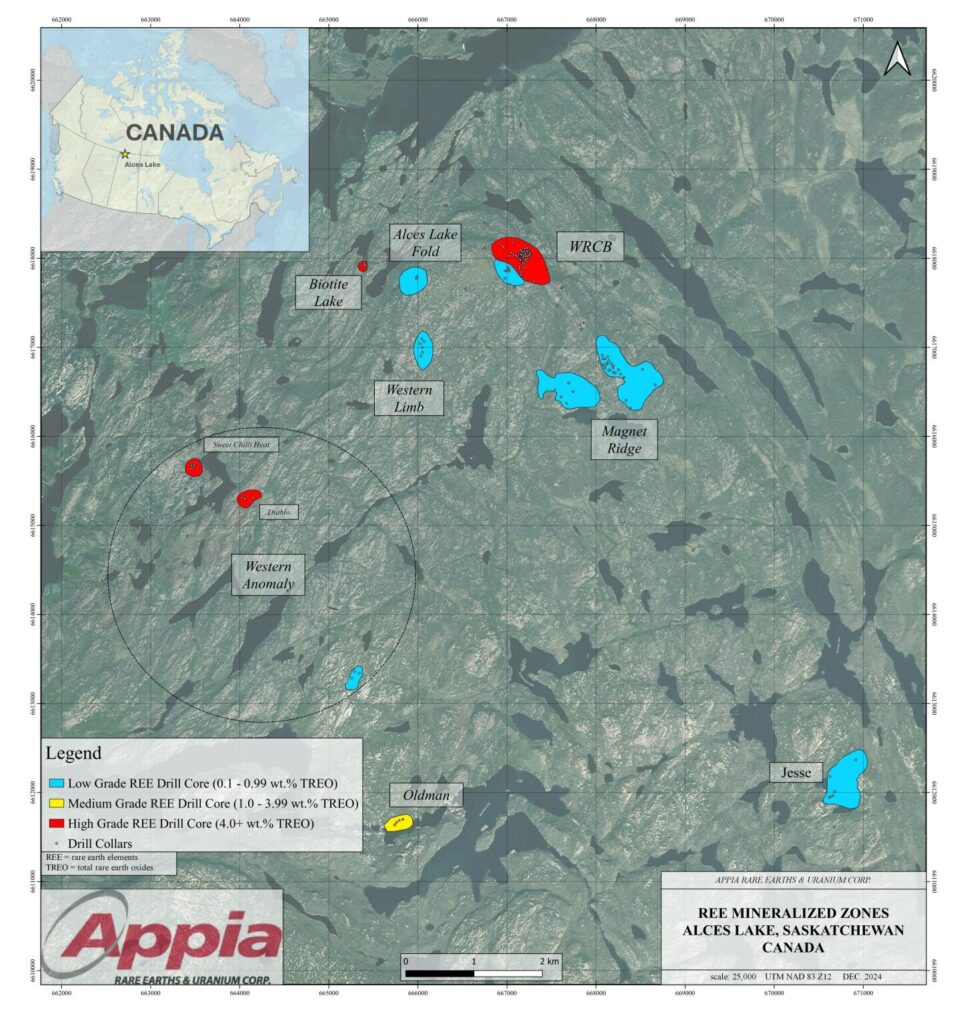
This category represents the highest REE levels, with concentrations equal to or greater than 4.0%. These rocks are primarily located in biotite-rich pegmatites, glimmerites, and biotite-rich shear zones, often associated with sulfides. They are commonly found in the WRCB zone and a few zones in the Western Anomaly.
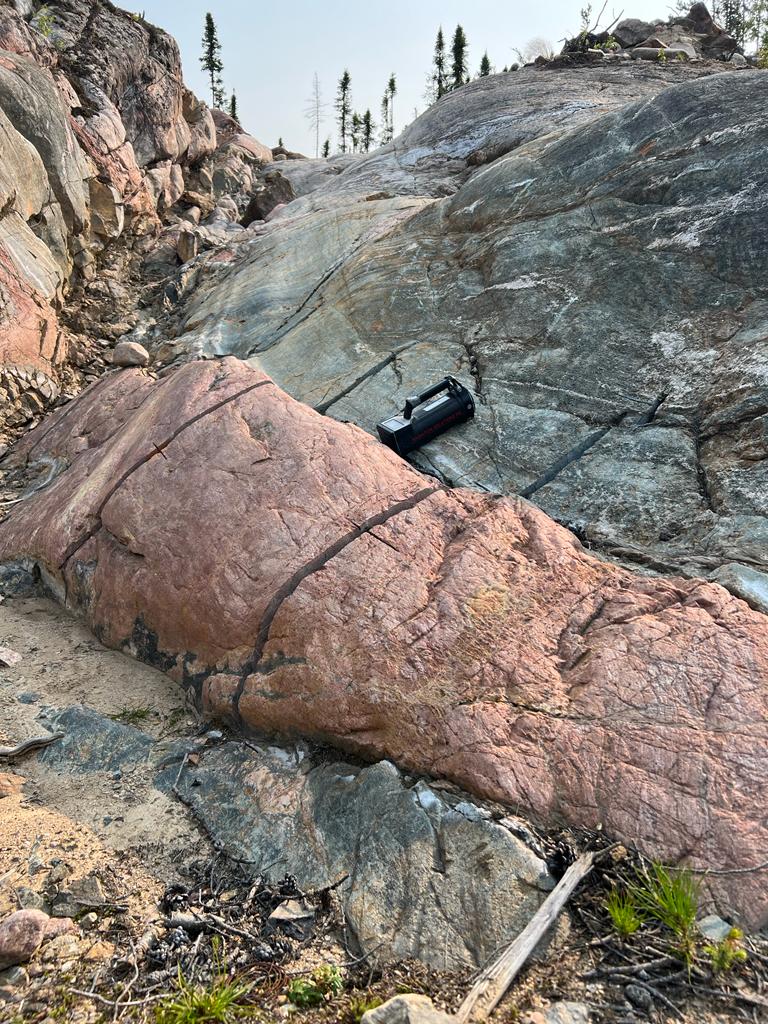
Medium-grade rocks exhibit significant REE concentrations, falling in the range of 1.0 to 3.99 wt% TREO. These rocks are also found in amphibolite, quartzo-feldspathic pegmatites, biotite-rich pegmatites, and abyssal pegmatites.
Monazite mineralization is predominantly confined to biotite-rich schists and abyssal pegmatites. Monazite grains appear as orange to red crystals and form 1- to 15-cm thick massive lenses of millimeter-sized grains in the biotite schists and quartzo-feldspathic pegmatites. Cerium is the predominant REE in these minerals, with percentages reaching up to 21.80% of the total rock sample. Monazite crystals display a uniform distribution and high concentration of critical REE (CREE), such as neodymium (“Nd”) at up to 8.14% of the REE content and praseodymium (“Pr”) at up to 2.46% of the REE.
The high-grade areas, featuring REE concentrations above 20%, are primarily situated at the WRCB paragneiss-to-amphibolite boundary. The geochemistry of the associated pegmatite rocks plays a significant role, with those showing high concentrations of Fe2O3, MgO, and TiO2 being typically associated with high-grade REE. In contrast, pegmatites with higher levels of Na2O and K2O generally indicate lower REE concentrations.
In the larger geological context, older granitic rocks are observed to overlay younger metasedimentary rocks in the region. Notably, a significant regional fold in the northern part of the property, interrupted by the Alces Lake shear zone / St. Louis fault, is where the majority of the high-grade REE zones are located.
Throughout their exploration journey, tracking thorium has proven highly effective. Because of the presence of thorium in the monazite-bearing host rocks, tools such as airborne Th radiometrics and ground scintillometres have played a major role in discovering new REE zones, contributing significantly to groundbreaking discoveries.
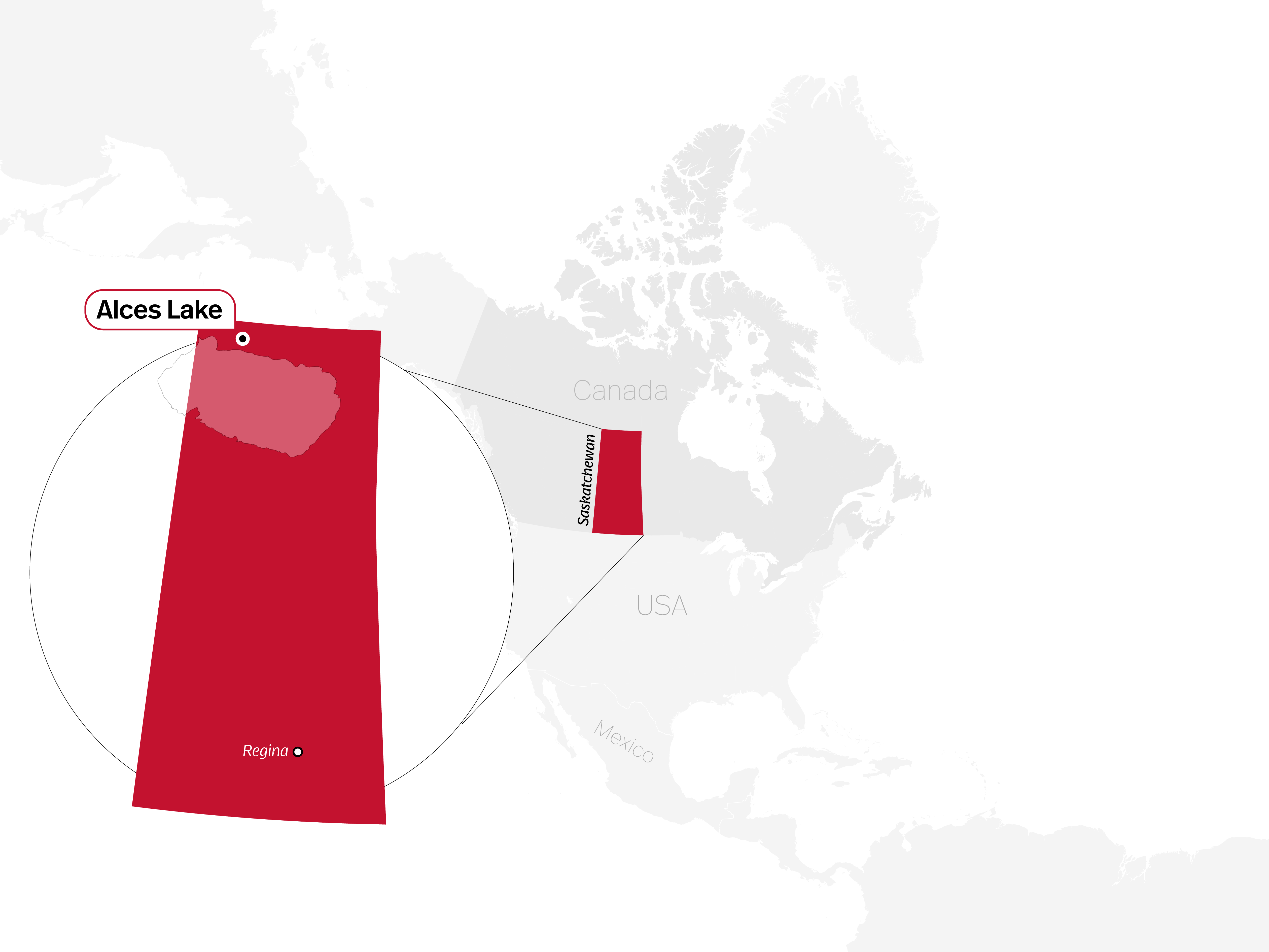
The Alces Lake property is situated to the north of Lake Athabasca and within the Athabasca Basin region. It is positioned approximately 34 km east of Uranium City and 135 km west of Stony Rapids. An annual winter road is constructed to facilitate travel between Stony Rapids and Uranium City. Uranium City boasts a certified airport, access to hydroelectric power, a well-stocked grocery store, a convenient bulk fuel dispensary, a comprehensive fleet of heavy-duty construction equipment, and reliable telephone and internet communication services.
The geological team, led by Dr. Irvine R. Annesley, P.Geo, a distinguished academic figure in the Saskatchewan REE and uranium industry, contributes extensive expertise and academic leadership to their endeavors.
A state-of-the-art, all-season, permanent camp has been established at Alces Lake, equipped to comfortably accommodate up to 35 team members.
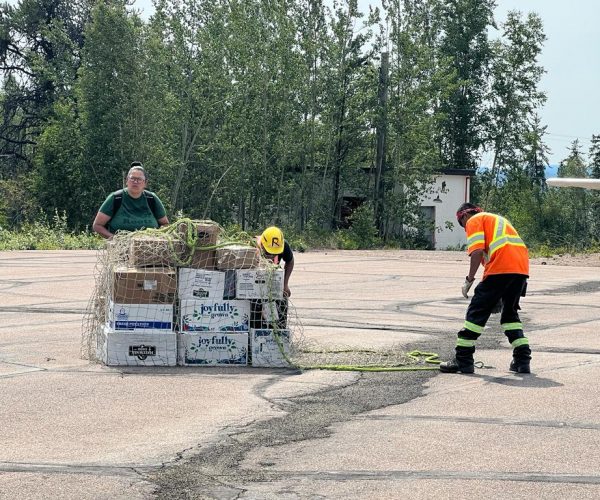
The project benefits from helicopter support, ensuring efficient operations and access to remote areas. Alces Lake remains accessible year-round, thanks to the strategic use of both plane and ice road transportation, allowing for continuous progress and adaptability to varying conditions.
Promoting work, resources, and employment expansion for the local first nations community of Fond-du-Lac:
The project demonstrates a commitment to fostering growth and development within the local First Nations community of Fond-du-Lac, extending its focus beyond resource exploration. It actively seeks to create opportunities and employment for community members.
Through collaborative efforts, the project aims to provide not only jobs but also valuable resources and support to empower the local community. Initiatives focus on skill development, training, and sustainable practices that benefit both the project and the people who call this region home.
By working hand-in-hand with the Fond-du-Lac and surrounding communities, the project seeks to make a meaningful and lasting contribution to the region, ensuring a brighter and more prosperous future for everyone involved.
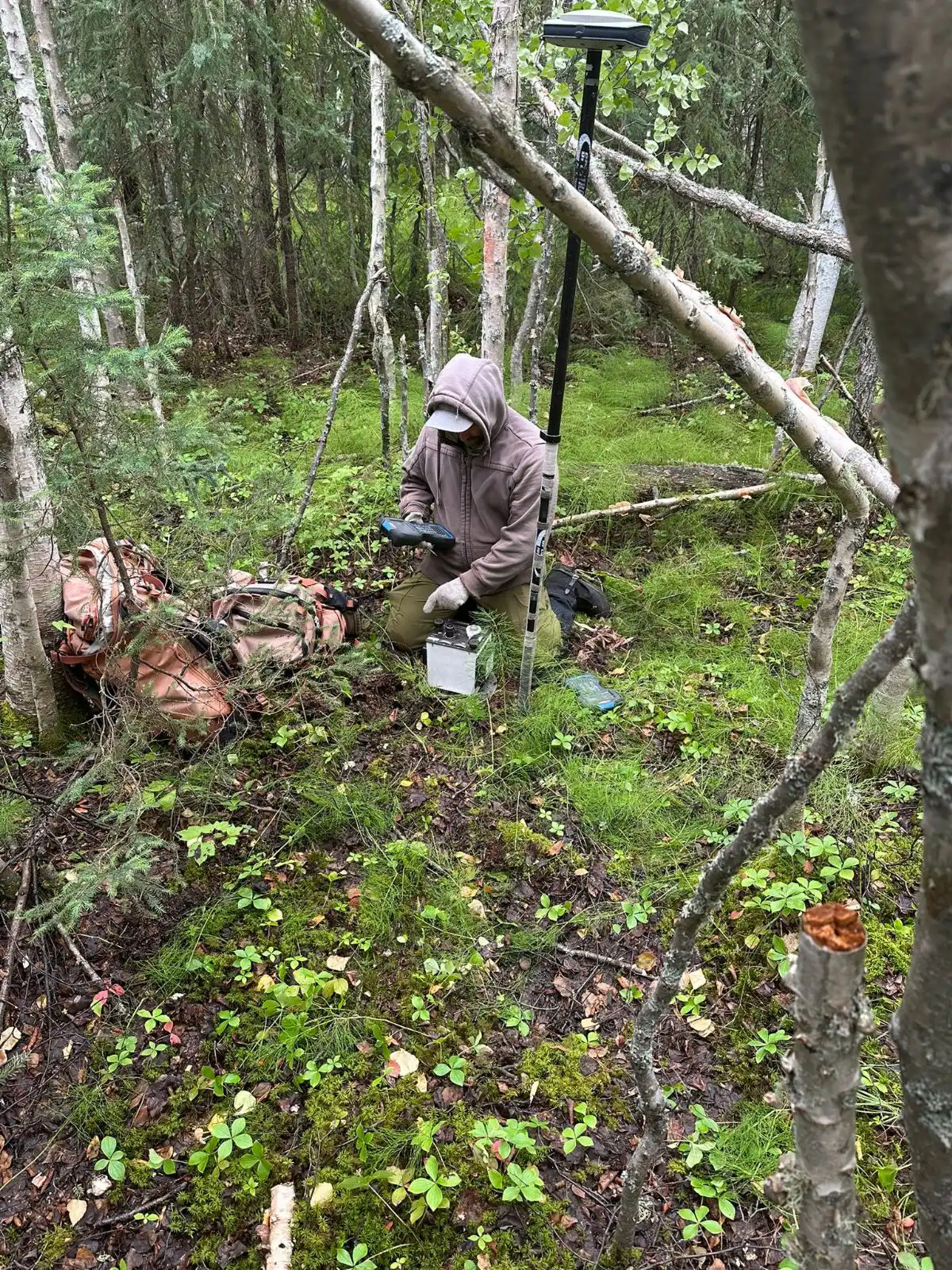
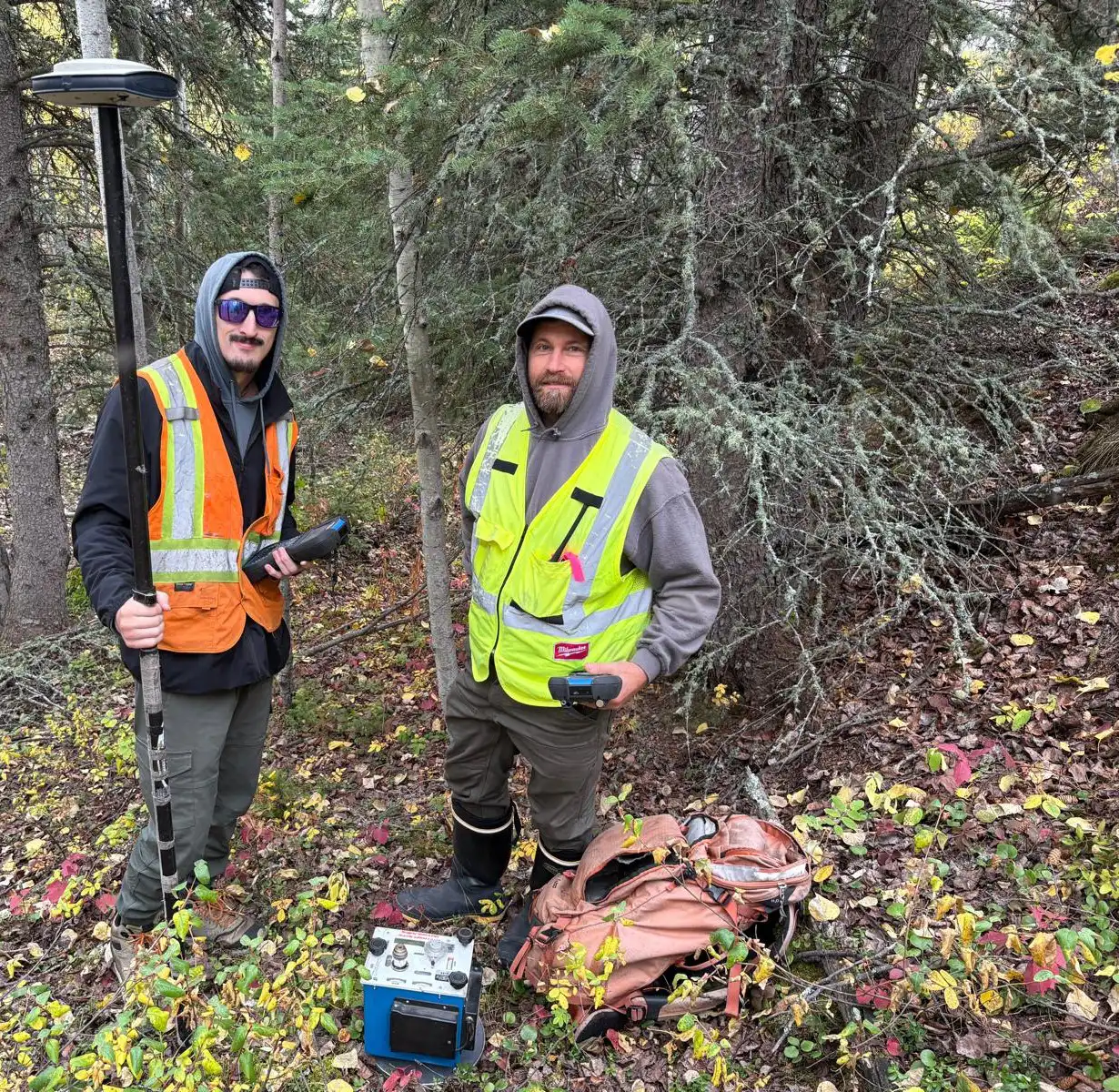
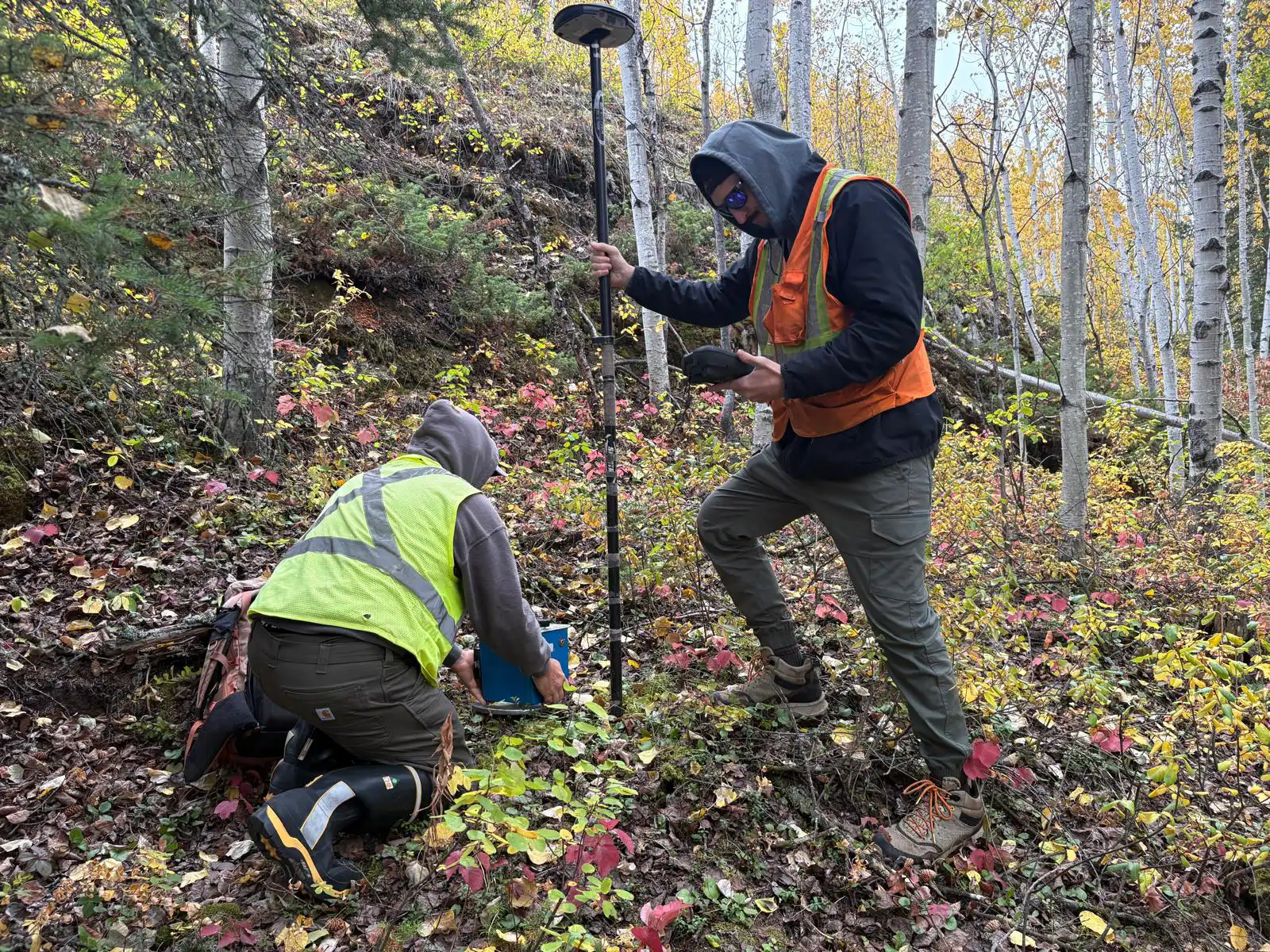
At Alces Lake, the commitment to exploration includes a diverse range of advanced techniques and tools. Exploration activity is supported by advanced technology and the dedication of a skilled team, resulting in new discoveries and valuable insights.
The WRCB Zone remains the heart of Appia’s exploration efforts at Alces Lake, containing core samples boasting impressive results up to 31.04 wt% Total Rare Earth Oxides (TREO).
Learn More
The Magnet Ridge Zone is one of Appia’s largest REE mineralization plays on the Alces property, second to the WRCB Zone. Mineralization occurs from near surface to less than 75m depth, with the highest grades in the west-southwest direction. The mineralization ranges from 0.1 to 0.8 wt.% TREO, with approximately 25% being CREO, mainly Neodymium and Praseodymium. The mineralization is hosted in monazite within a biotite-rich host similar to WRCB, signifying potential for geologic correlation.
Learn more here
The exciting Western Anomaly displays numerous surface samples ranging from 4.0 to 15.0 wt% TREO within its vast 3km x 3km zone, with a peak core sample reaching 18.46 wt% TREO.
Western Anomaly press release
The 2023 exploration program at Alces Lake identified the Jesse Zone featuring several subparallel, REE-bearing shear zones displaying radiometric hotspots up to 10,000 cps at surface and assay results exceeding 3.70 wt.% TREO from surface sampling. Jesse’s radiometric anomaly is a large area approximately 1,600m long by 400m wide at the surface, an area 8x larger in aerial extent than at the main WRCB location. This observation, along with the fact that Jesse remains open at depth, makes it an exciting target for Appia’s future exploration programs.
Appia’s comprehensive strategy involves a wide range of geophysical surveys including magnetics, very low frequency (VLF), Thorium (Th), uranium (U), and potassium (K) radiometrics, to ground gravity, and EM, culminating in the identification of targets. To date, Appia has explored a total of 34,094.43 metres across 317 drill holes.
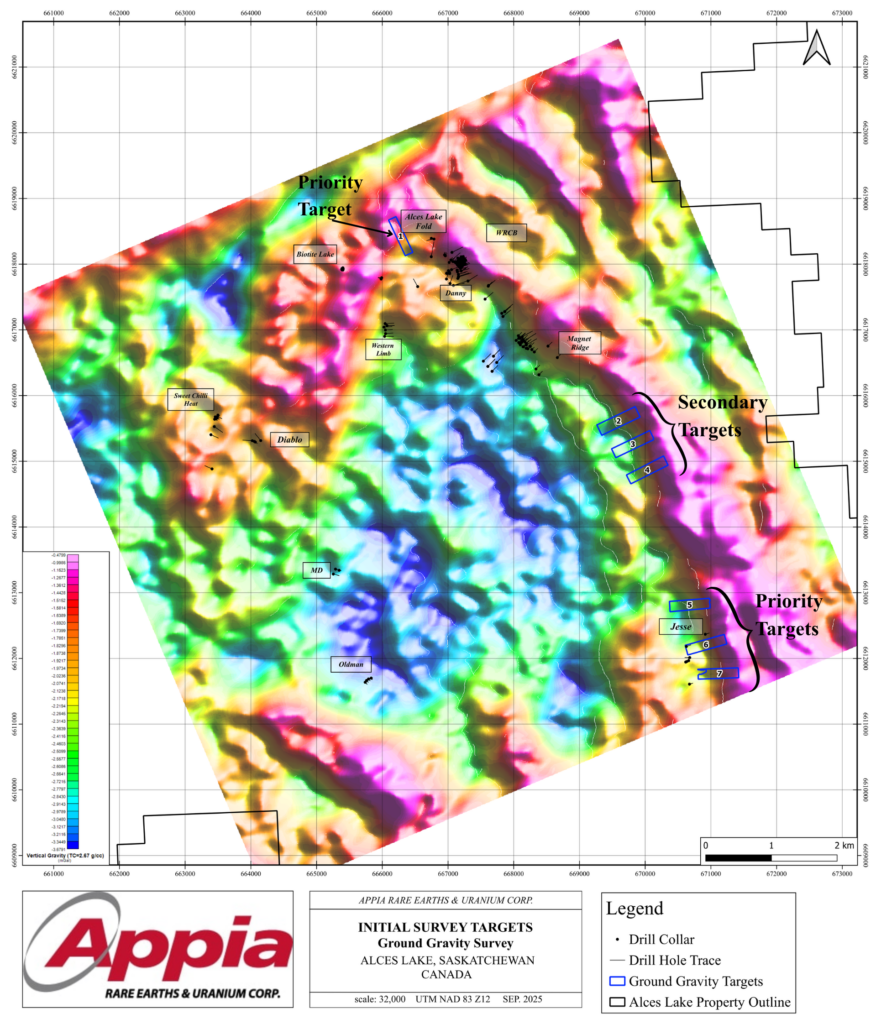
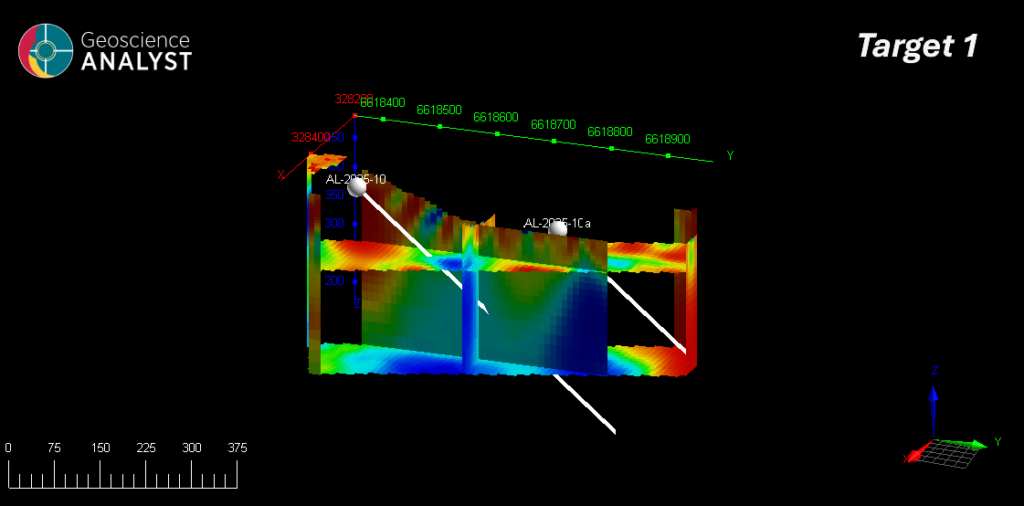
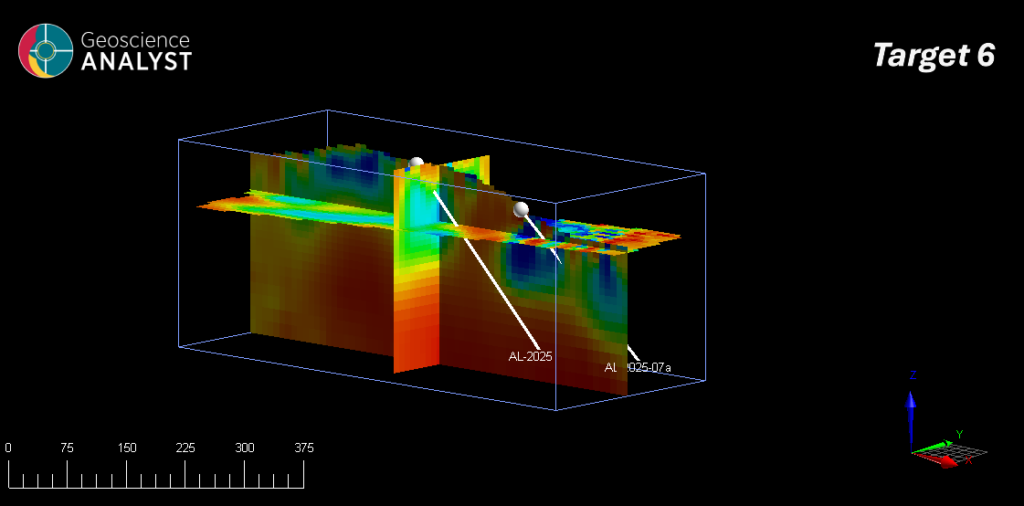
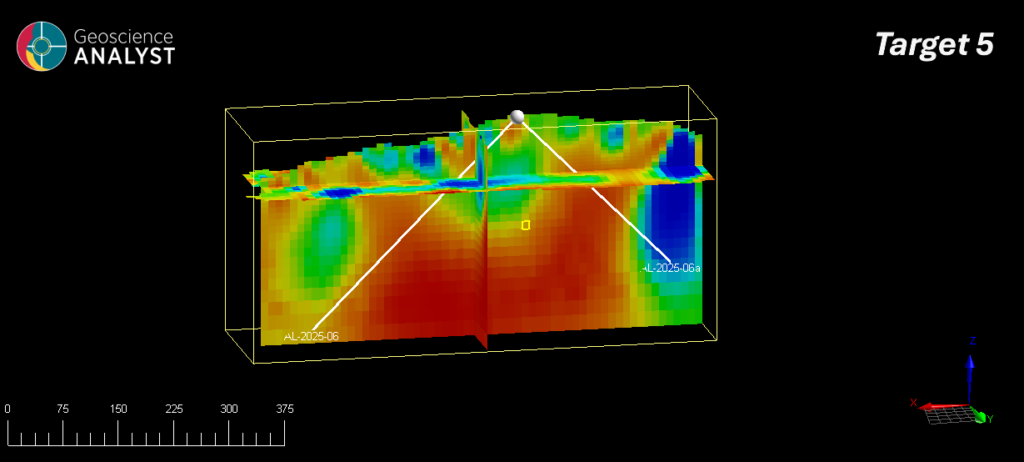
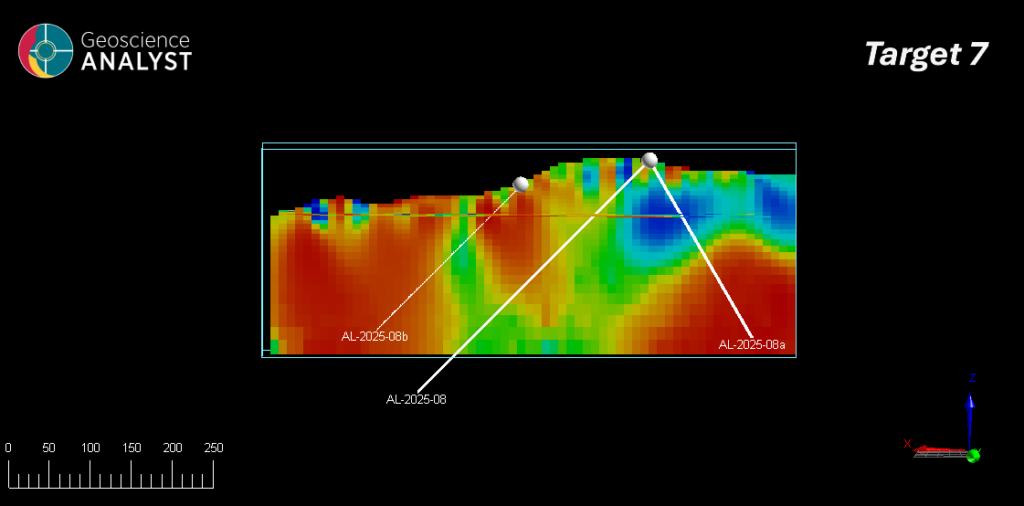
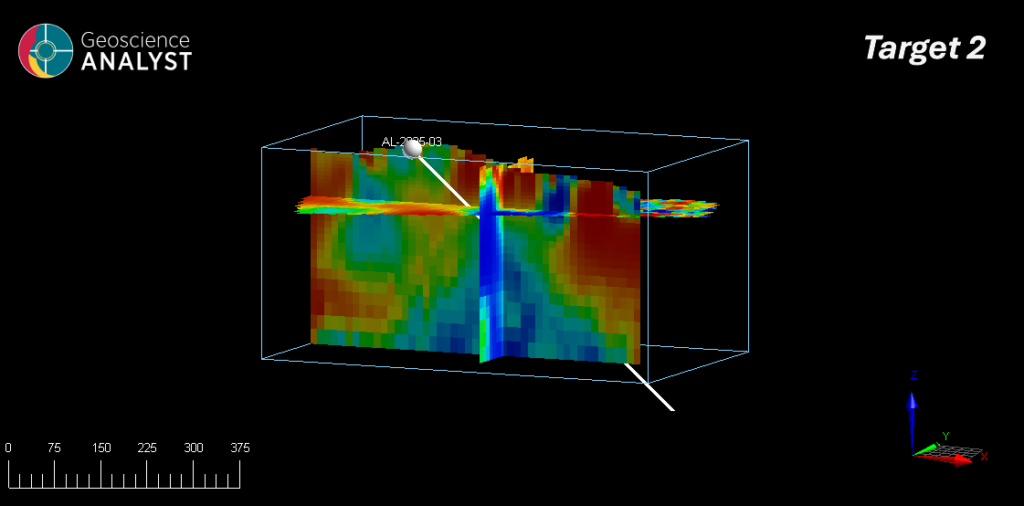
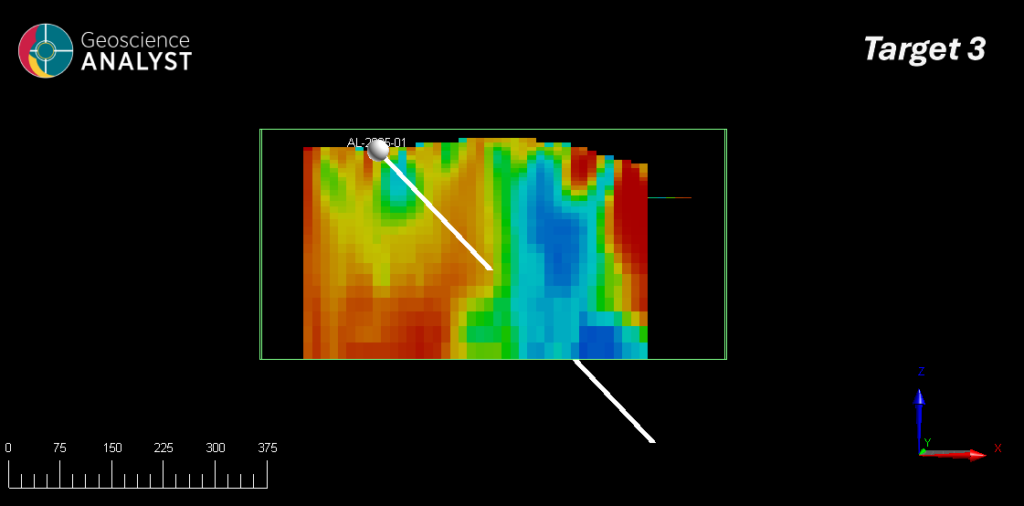
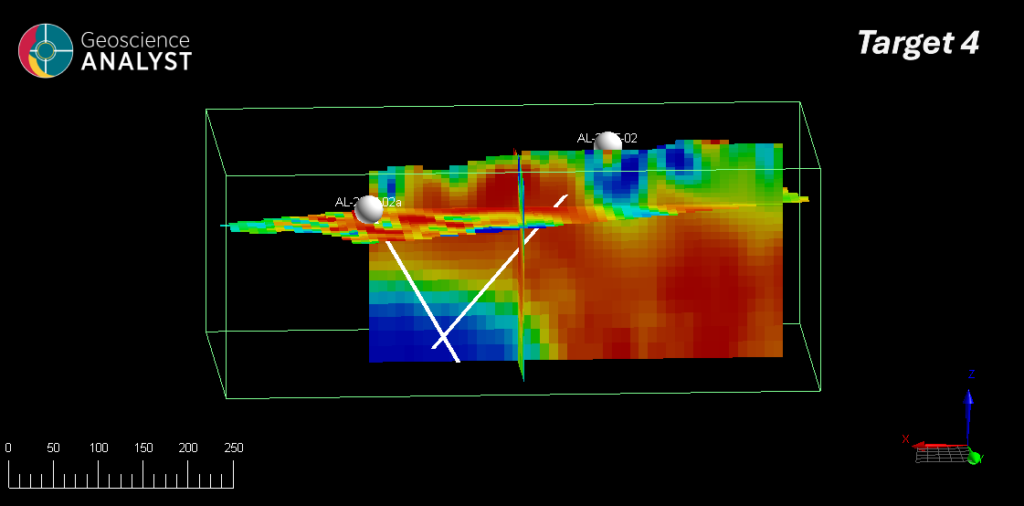
Appia’s 2026 drill program at Alces Lake is designed to test priority targets generated from the Company’s recent Airborne Gravity Gradiometer Survey and further refined through follow-up Ground Gravity Survey work completed in September 2025. Highlights for the upcoming drill plan include:
Priority for targets 1, 5, 6, and 7 showing strong geophysical similarities to the high-grade WRCB and large Magnet Ridge zones. Secondary targets 2, 3, and 4 to follow post-summer project.
Airborne Gravity Map displaying high-priority targets for potential REE mineralization at the Alces Lake REE property.
Priority drill targets for 2026. Refer to the “Airborne Gravity Gradiometer” map above for Target Locations.
Secondary drill targets for 2026. Refer to the “Airborne Gravity Gradiometer” map above for Target Locations.
Using in-house developed, state-of-the-art, automated technology in metal smelting, SRC’s facility is ready to produce 10 tonnes of neodymium-praseodymium (NdPr) metals per month, with purities greater than 99.5 per cent and conversions greater than 98 per cent. SRC is on track to upscale this production to 40 tonnes of rare earth metals per month by the end of December 2024.
The Alces Lake Project, situated in the same province as the processing facility, that is in development, benefits from a geographical synergy that supports efficient resource utilization and operational coordination.